
The Christian Books That Will Change How You Live with Other People
Why Some Christian Books Actually Change How You Treat People
Christianity has a way of exposing us in places we’d rather keep tidy. We can pray faithfully, read Scripture diligently, and hold solid doctrine, all while quietly avoiding the harder work of loving real people in real time. Not in theory. Not in comment sections. In kitchens. In churches. In families. In conversations where patience costs something.
One of the subtle dangers of modern faith is that it can remain impressively personal while staying relationally shallow. We learn how to manage our inner life, but not always how to live well with others. We grow fluent in belief but hesitant in presence. And yet the gospel, from the beginning, has always been public, communal, and embodied. Faith was never meant to be practiced in isolation. It was meant to be lived together.
Books, when chosen wisely, have a strange way of confronting this gap. The right ones don’t just inform your thinking. They interrupt your habits. They challenge how you host, how you worship, how you speak, how you submit, how you endure. They move faith out of abstraction and into shared life. These are not books that help you feel more spiritual in private. They help you become more faithful in community.
The books that follow are not trendy, therapeutic, or tailored to personal branding. They are formative in the quiet, demanding way that actually changes how you treat people. They will press faith into your home, your church, your table, and your relationships. Read them slowly. Let them work on you. And pay attention to the one that unsettles you most. That’s usually the invitation.
The Gospel Comes with a House Key
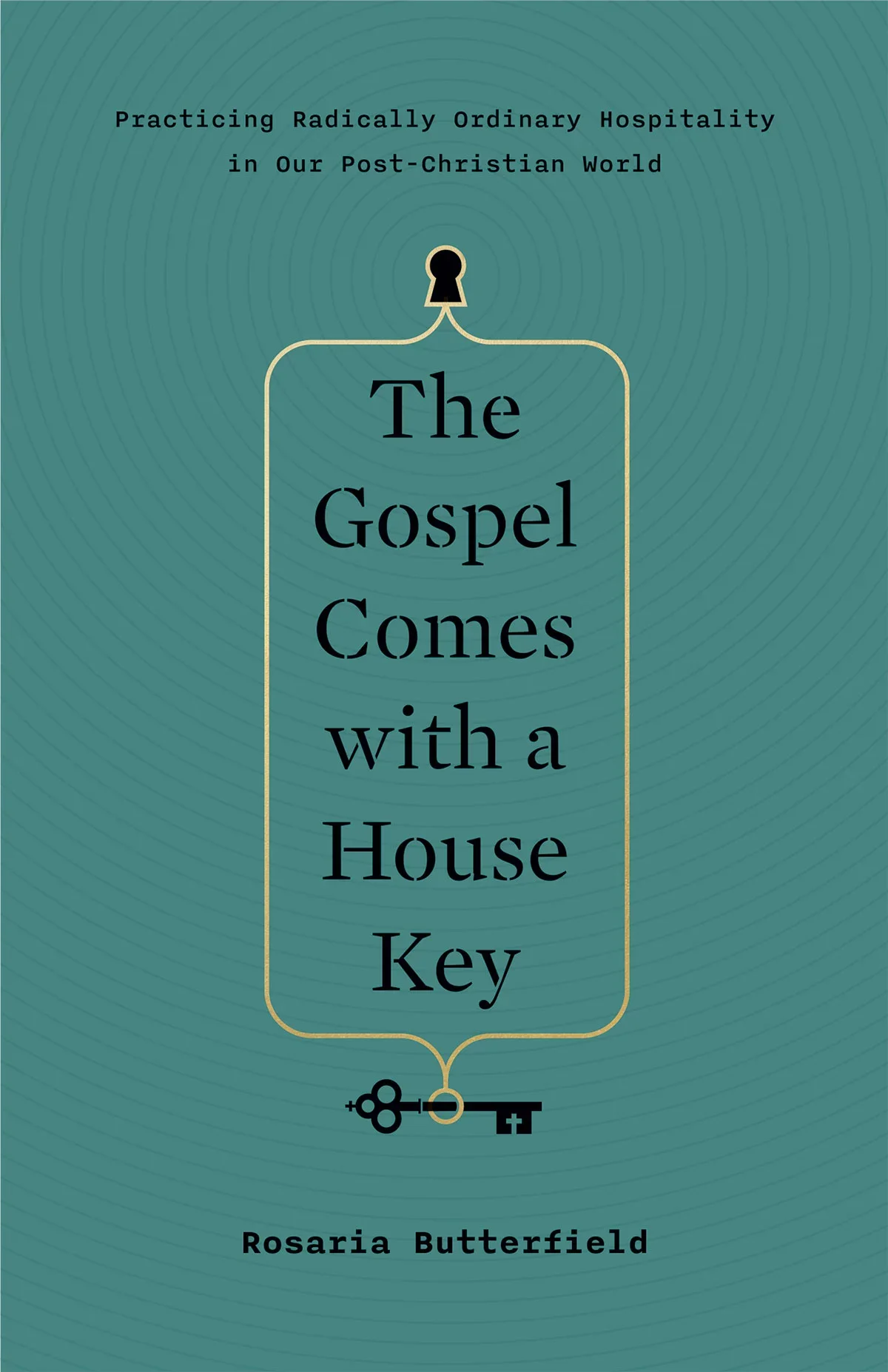
The Gospel Comes with a House Key reframes Christian hospitality as obedience and witness, not personality or performance. Rosaria Butterfield challenges performative evangelism and isolated faith, offering a deeply biblical vision of hospitality that makes room for boundaries, introversion, and ordinary life. This is a book for Christians serious about the Kingdom, one that gently but firmly moves faith out of theory and into lived practice. It reminds readers that the home is a theological space and that discipleship often happens quietly, over time, around the table. You can read our full review of this book over at the 10-ish Books Every Christian Should Read blog.
The Covenant Household
The Covenant Household argues that the Christian home is not a group of individuals sharing a roof, but a covenantal unit God designed for discipleship, authority, and generational faithfulness. Doug Wilson directly challenges modern Christian individualism, showing how Scripture treats households as meaningful arenas for formation, not just private living space. This book is best for readers willing to wrestle with strong theological claims about responsibility and obedience in the home, and less suited for those seeking a soft, therapeutic approach. Read it slowly, Bible open, with discernment, letting it sharpen your convictions even where you may not fully agree.

Sing! How Worship Transforms Your Life, Family, and Church
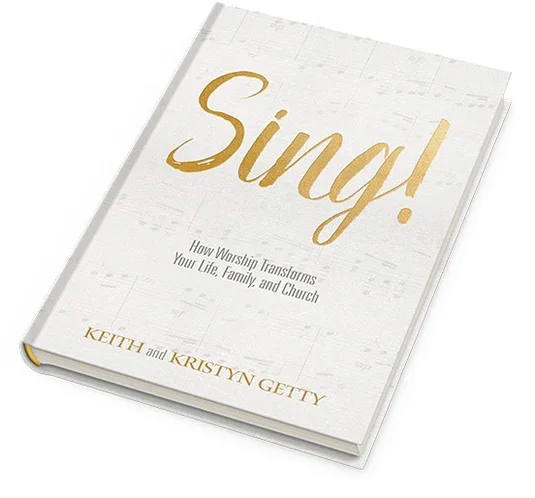
Sing! argues that congregational singing is not background noise in a church service, but theology that disciples the church week after week. Keith and Kristyn Getty show how worship songs shape belief, embed doctrine in memory, and form the faith of whole communities, not just individuals. It’s especially helpful for worship leaders, pastors, and parents, and it challenges anyone who treats singing as “just part of the service.” Read it slowly alongside your Sunday worship and start paying attention to whether the lyrics you sing are actually forming your faith.
Spiritual Disciplines for the Christian Life
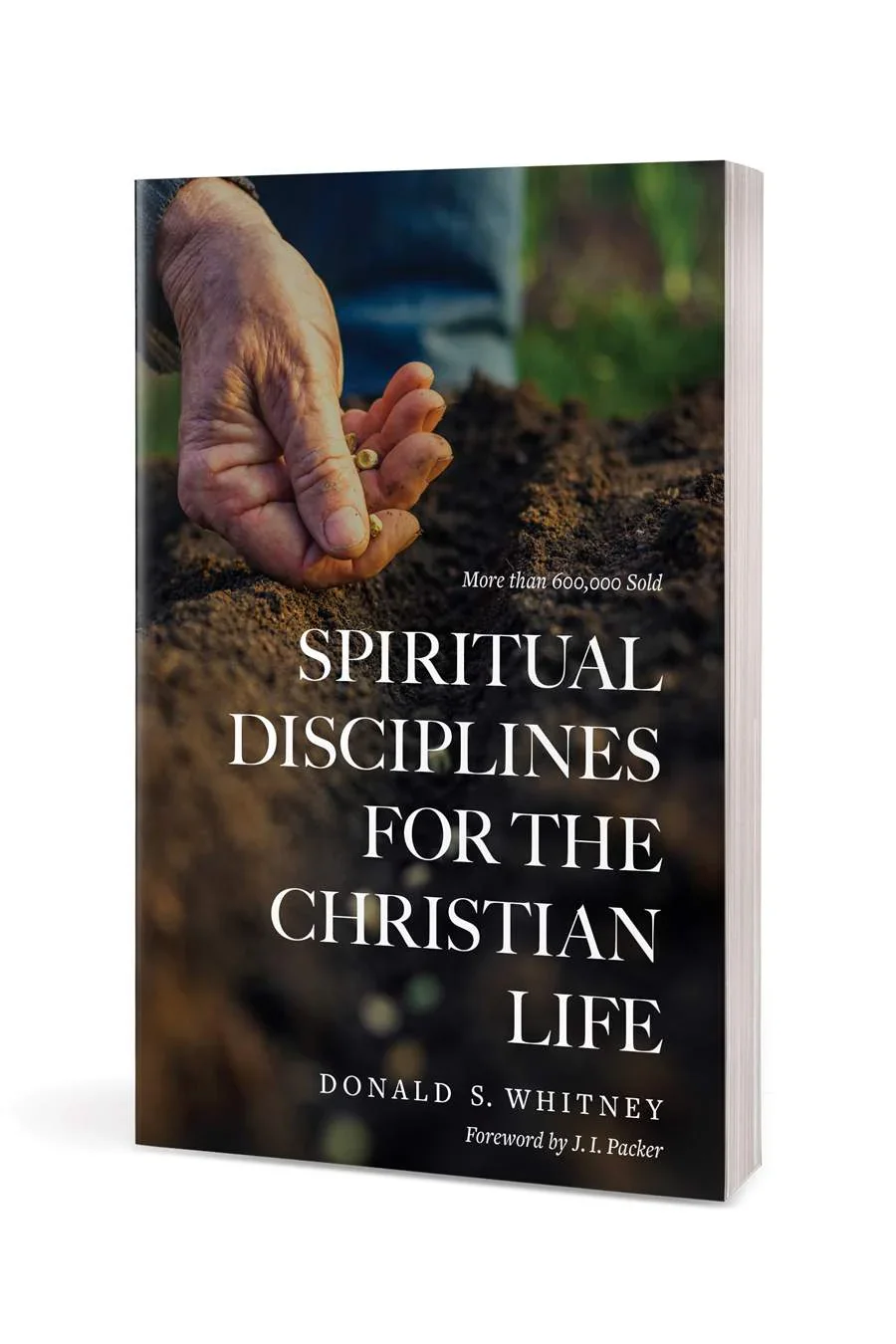
Spiritual Disciplines for the Christian Life makes the case that spiritual growth is intentional, not accidental. Donald Whitney removes both the guilt and the mystique around spiritual disciplines, presenting them as ordinary means of grace that shape faith over time. This book is especially helpful for Christians who feel inconsistent or spiritually scattered, offering structure without shame and practice without legalism. Read it slowly, implement small habits faithfully, and let steady obedience form a life that abides rather than burns out.
How to Win Friends and Influence People
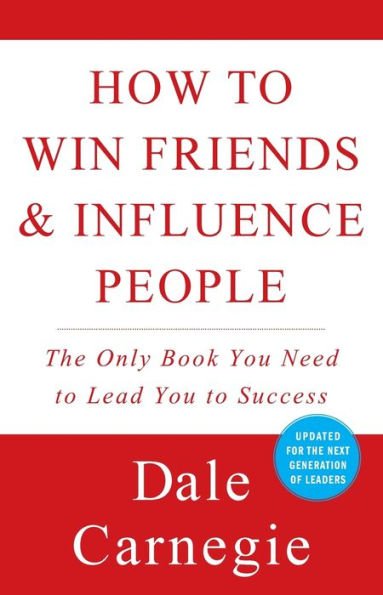
How to Win Friends and Influence People is a practical guide to relating to others with wisdom, humility, and skill, not just good intentions. Dale Carnegie’s principles like listening well, showing genuine interest, and choosing encouragement over criticism often read like Proverbs applied to everyday conversation. It’s especially useful for Christians in leadership or anyone navigating hard relationships, as long as it’s read with discernment and integrity. Filtered through Scripture, it can strengthen Christian witness by helping love become something people actually experience, not just something you mean.
You Might Find These Interesting . . .




What if the peace you pray for is actually just a life you can control?